25 Sep - 01 Oct 2025
|
|
|
IN FOCUS |
|
|
|
|
|
|
Special Address
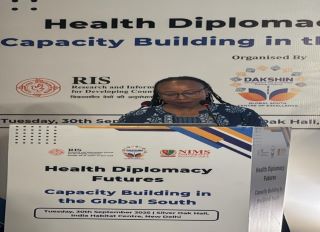
Dr. Angela Lusigi, UNDP Resident Representative, India
|
Excellencies, colleagues and friends, Namaste!
Thank you for inviting UNDP to be part of this important discussion.
Last week, at the 80th United Nations General Assembly, world leaders spoke with urgency about the state of multilateralism. And yet, history reminds us that when nations cooperate, progress is possible.
For example, Smallpox — a disease that killed millions for centuries — was eradicated through a global vaccination campaign led by UN, with every nation contributing. The Montreal Protocol brought the world together to protect the ozone layer, proving that collective action can reverse even planetary-scale damage. The Paris Agreement brought nations together to chart a shared course on climate change.
These examples remind us that international cooperation works. It saves lives. It restores trust.
The recent COVID pandemic is a perfect illustration of why international cooperation matters.
At first, the world was fragmented - borders closed, supply chains strained, vaccines hoarded. The virus crossed border and wreaked havoc across the world. But slowly, we came together – with science and solidarity. Scientists shared data at unprecedented speed. COVAX delivered doses across continents. Partnerships were forged to strengthen health systems under pressure.
Health diplomacy, became the strongest medicine of all. Health diplomacy built trust between nations, equity between peoples, and resilience across systems..
|
| Read More |
|
|
| |
| |
| |
| |
|
|
Key Developments in the Global South |
|
|
 |
|
|
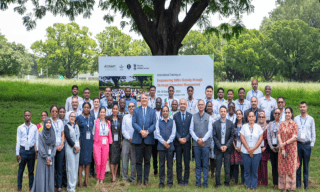
ICRISAT and Ministry of External Affairs, India Empower Small Businesses for Agricultural Transformation in the Global South
|
As global agriculture confronts mounting challenges from climate shocks and shifting dynamics, ICRISAT and India’s Ministry of External Affairs are leveraging South-South collaboration to empower Micro, Small, and Medium Enterprises (MSME), whose agility and innovation are essential for turning agricultural research into impact for farmers in drylands. A two-week program on “Empowering SMEs Globally through Strategic Innovation Management,” held at ICRISAT HQ in Hyderabad under the Indian Technical and Economic Cooperation (ITEC) initiative, brought together 34 professionals from 24 countries across Asia, Africa, Latin America, and the Caribbean. The diverse mix of leaders from government, academia, and industry highlighted the central role of SMEs as conduits translating frontier research into resilient, food-secure farming communities. |
| Read More |
|
|
|
|
|
External Affairs Ministers, Dr. Jaishankar Stresses Multilateralism, UN Reforms at BRICS Meet in the United States |
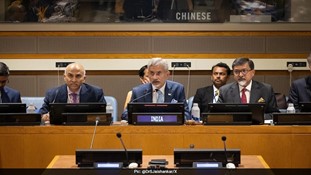
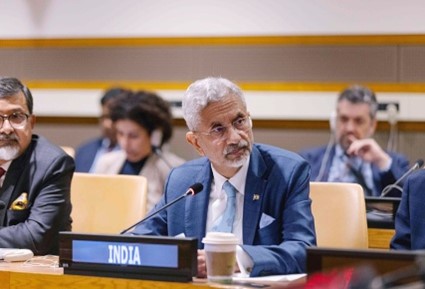
External Affairs Minister S Jaishankar hosted a meeting of the BRICS Foreign Ministers in New York, highlighting the bloc's pivotal role in promoting multilateralism and constructive international engagement. He emphasised the need for the bloc to reinforce principles of peacebuilding, dialogue, diplomacy, and adherence to international law in a turbulent global environment. He also addressed economic challenges, stating, "as rising protectionism, tariff volatility and non-tariff barriers impact trade flows, BRICS must defend the multilateral trading system." EAM Jaishankar also pointed out that "technology and innovation would define the next phase of BRICS cooperation." |
| Read More |
|
|
|
|
|
|
The Minister of External Affairs of the Republic of India, Dr. Subrahmanyam Jaishankar, the Minister of Foreign Affairs of the Federative Republic of Brazil, H.E. Amb. Mauro Vieira, and the Minister in the Presidency for Women, Youth and Persons with Disabilities of the Republic of South Africa, H.E. Ms. Sindisiwe Chikunga held a meeting on the sidelines of the 80th Session of the United Nations General Assembly in New York. They underscored the opportunities for the Global South embedded in new cycles of sustainable economic growth and transformation towards low GHG emissions and climate-resilient development pathways consistent with securing the quality of life of all future generations, leaving no one behind, according to national circumstances and priorities. |
| Read More |
|
|
|
 |
|
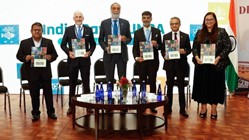
As world leaders met for the 80th United Nations General Assembly (UNGA) in New York to shape a bold vision for the final five years of the 2030 Sustainable Development Goals (SDGs), 'India Day @ UNGA' brought global attention to the innovation and development lessons emerging from India and the Global South. Technology and digital inclusion featured prominently during the discussions, with participants focusing on artificial intelligence (AI), India's digital public infrastructure, and democratised technology as tools for Global South-South collaboration. The highlight of the day was the high-level panel discussion titled "At the Heart of Development: Aid, Trade, and Technology", which explored how collaborative frameworks in these areas are driving inclusive growth across the Global South. |
| Read More |
|
|
|
 |
|
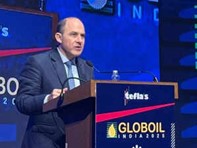
The relationship between India and Argentina flows far beyond oil. An important delegation from Argentina’s Secretariat of Agriculture, Livestock and Fisheries, together with the Rosario Board of Trade, visited India’s capital to expand agricultural cooperation with the Department of Agriculture and the Department of Food and Consumer Affairs of India, and to participate in the region’s most important vegetable oil congress in Mumbai. “We firmly believe that the vegetable oil sector, among others, can continue to serve as a pillar of mutual growth and cooperation in the years ahead,” Argentinean Ambassador to India Mariano Caucino said at the opening of Globoil in Mumbai. The bilateral relationship between India and Argentina is flourishing, with both countries positioned as complementary powers working toward inclusive and sustainable development. |
| Read More |
|
|
|
 |
|
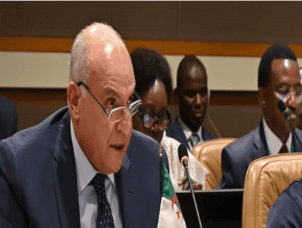
Algeria’s Minister of State, Minister of Foreign Affairs, Ahmed Attaf, stressed that the Algiers Charter of 1964 remains a guiding framework for cooperation and coordination among developing countries, reaffirming its role as a foundation for solidarity and joint action on the global stage. Building on this, he stated that current challenges require intensifying efforts to advance the priorities of developing nations across four key areas. He highlighted the need to reaffirm the unified position expressed at the UN Conference on Financing for Development, on reforming global governance, upholding the principle of common but differentiated responsibility in addressing the challenges of climate change and the importance of knowledge and technology transfer. |
| Read More |
|
|
|
 |
|
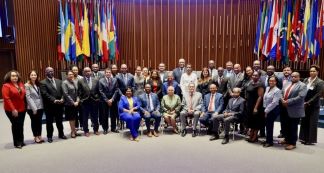
“As we mark this 50th meeting, let us reaffirm our shared responsibility to place the health and well-being of our people at the centre of our work. This Meeting is an opportunity to engage meaningfully, exchange ideas, and strengthen the partnerships that have always been CARICOM’s greatest asset.” This was the call to action from the Hon. Philip Telesford, Minister of Health, Wellness, and Religious Affairs of Grenada and Chair of the Fiftieth Meeting of the Council for Human and Social Development – Health (COHSOD-Health). The Meeting, which convened in Washington, D.C., brought together CARICOM Ministers of Health, Permanent Secretaries, Chief Medical Officers, national health officials, and representatives from key regional and international institutions to address pressing health challenges facing the Community. |
| Read More |
|
|
|
 |
|
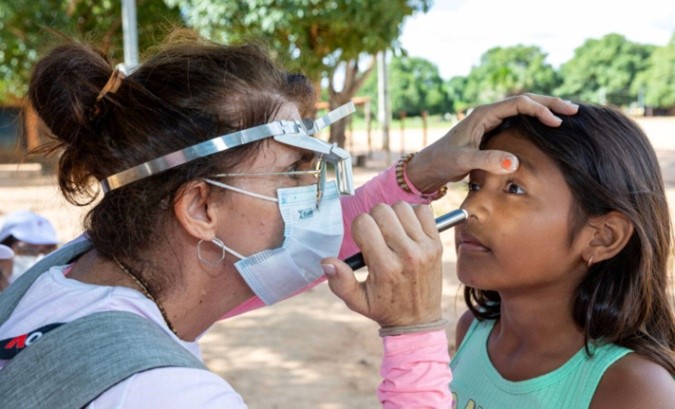
Member States of the Pan American Health Organization (PAHO) set a bold agenda toward advancing health and well-being across the Americas, with the approval of the PAHO Strategic Plan 2026–2031 under the theme “Together toward a Healthier Americas for All.”
|
| Read More |
|
|
|
 |
|
The World Bank on Tuesday, September 30, approved a $500 million financing package for Nigeria under the BRIDGE project (Building Resilient Digital Infrastructure for Growth). Led by the Ministry of Communications, Innovation and Digital Economy, the program aims to address structural gaps that limit broadband access in underserved areas. With a total cost of $1.6 billion, the project will be largely supported by $1.1 billion in private investment, with additional backing from the African Development Bank, the European Investment Bank, and the Islamic Development Bank. It includes the rollout of about 90,000 km of climate-resilient fiber optic cable, powered where necessary by renewable energy solutions. The implementation plan features seven national rings, 37 metropolitan loops, 77 regional networks, and several edge data centers. |
| Read More |
|
|
|
|
 |
|
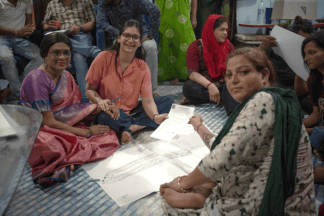
India’s international cooperation is rooted in its own development experience. India has long been a leading voice for the Global South and champion of South-South Cooperation. From advocating for the inclusion of the African Union in the G20 to providing timely, demand-driven support during global crises, India has consistently extended a hand to partner nations. Alongside these efforts, the India–United Nations Development Partnership Fund has helped deliver collaborative projects in health, education, and livelihoods across the Global South. The UN Team in India, comprising 26 UN Agencies, Funds, and Programmes, is privileged to partner with the Government of India at the central and state levels, as well as civil society and the private sector, in many of these inspiring stories. |
| Read More |
|
|
|
|
 |
|
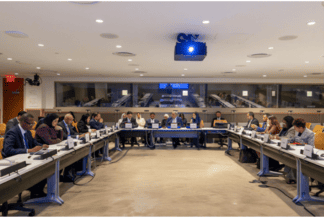
The Member States of the Digital Cooperation Organization (DCO) convened for their first High-level Dialogue for Digital Cooperation on the sidelines of the 80th United Nations General Assembly and adopted a joint statement calling for urgent global cooperation to ensure digital transformation becomes a driver of resilience, prosperity and peace. Building on the momentum of the UN Global Digital Compact, adopted in 2024, and the DCO 4-Year Agenda for Digital Resilience and Prosperity (2025-2028), the DCO Member States were united around a clear purpose: to ensure that digital transformation becomes a force for prosperity and peace, not for exclusion and fragmentation. |
| Read More |
|
|
|
|
 |
|
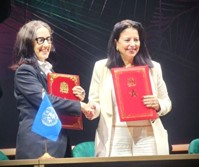
On the sidelines of the 80th United Nations General Assembly (UNGA-80), the Kingdom of Morocco launched its new Digital for Sustainable Development (D4SD) Hub. Implemented in partnership with the United Nations Development Programme (UNDP), the new Hub aims to help countries in the Arab States region and Africa harness digital public infrastructure, artificial intelligence (AI), and innovation, and strengthen regional and cross-regional cooperation to accelerate progress towards the globally agreed Sustainable Development Goals (SDGs). “The adoption of Artificial Intelligence has emerged as a decisive global issue, and Morocco is determined to play an active role by harnessing this technology in the service of inclusive and sustainable human development,” declared HE Aziz Akhannouch, Head of Government of the Kingdom of Morocco |
| Read More |
|
|
|
|
 |
|
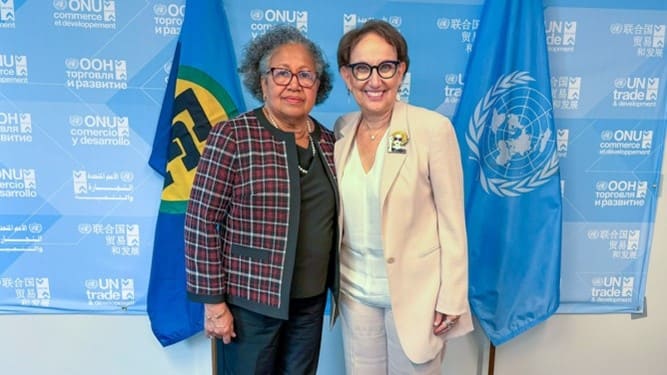
At the 80th session of the United Nations General Assembly this week, UN Trade and Development (UNCTAD) and the Caribbean Community (CARICOM) signed their first cooperation agreement to strengthen the region’s resilience and unlock new sources of growth. UNCTAD Secretary-General Rebeca Grynspan and CARICOM Secretary-General Carla Barnett formalized the agreement on the sidelines of the Assembly. It sets out collaboration in key areas: strengthening statistics, fostering innovation and industrial policy, supporting micro, small and medium-sized enterprises, boosting services and the digital economy, improving trade facilitation and enhancing food security. The agreement marks a concrete step forward in implementing UNCTAD’s strategy to support Small Island Developing States (SIDS). |
| Read More |
|
|
|
|
 |
|
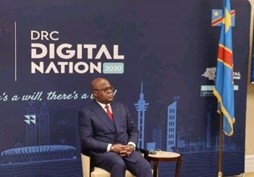
The Democratic Republic of Congo (DRC) plans to invest $1 billion by 2030 to establish the country as a regional digital hub. Digital Economy Minister Augustin Kibassa Maliba announced the plan at the "DRC Digital Nation 2030" forum, held in New York on the sidelines of the 80th session of the United Nations General Assembly. The funds will primarily focus on strengthening connectivity, which the minister called the "essential foundation for digitalization." While there is still no detail on specific projects, this investment likely targets improving telecommunications services through upgrades to telecom towers, fiber optic networks, and other vital infrastructure. Current official figures indicate mobile penetration stands at 63 percent, while internet penetration is 34 percent. |
| Read More |
|
|
|
|
 |
|
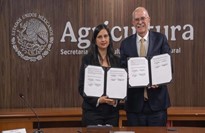
The Secretariat of Agriculture and Rural Development (AGRICULTURA) of the Government of Mexico and the Ministry of Agriculture of the Republic of Chile held a high-level meeting, led by the Secretary of Agriculture, Julio Berdegué Sacristán , and the Minister of Agriculture of Chile, María Ignacia Fernández Gatica, in which they signed a General Agreement on Technical and Scientific Cooperation and a Specific Agreement on Plant Health . They also agreed on a work plan to accelerate joint projects, facilitate agri-food trade, and strengthen health security for the benefit of producers in both countries. Both parties agreed that mechanisms such as the Mexico-Chile Joint Fund are key tools for consolidating initiatives that strengthen good practices and public policies for the benefit of both countries.
|
| Read More |
|
|
|
|
 |
|
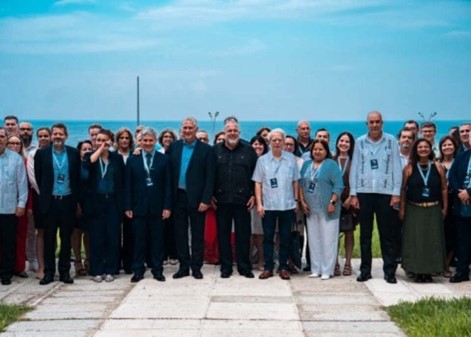
Brazil and Cuba have wrapped up their first meeting on “Public Policies for Food Sovereignty and Nutritional Security”, held in Havana. The event aimed to deepen bilateral cooperation and exchange experiences on social policies in key areas such as agriculture, food supply, and public health. Opening the meeting, Cuban Prime Minister Manuel Marrero described the initiative as a “fundamental space” for South-South cooperation. He stressed that food security is both a human right and a pillar of social stability, highlighting the need to build inclusive systems involving youth, women, and rural communities. Food sovereignty requires the joint participation of all forces, resources, and organizational structures tied to this strategic mission, which is decisive for the well-being of our peoples,” Marrero said. |
| Read More |
|
|
|
|
 |
|
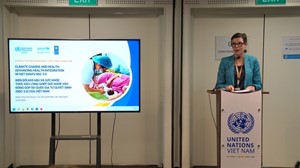
Việt Nam is putting its health on the frontline of climate action as experts gather to map out stronger integration of public health into the national climate response. At a workshop, leading figures from the Ministry of Health, the Ministry of Agriculture and Environment, and UN agencies, including WHO, UNDP and UNICEF, discussed how to embed health priorities in the country’s updated Nationally Determined Contributions (NDC) ahead of the UN Climate Change Conference in Brazil in November 2025. The consultation marks a key milestone in Việt Nam’s Paris Agreement commitments and its efforts to safeguard public health in the face of climate change. The WHO, UNICEF and UNDP remain committed to supporting the country in ensuring that health is prioritised in national climate strategies and that no one is left behind. |
| Read More |
|
|
|
|
|
 |
|
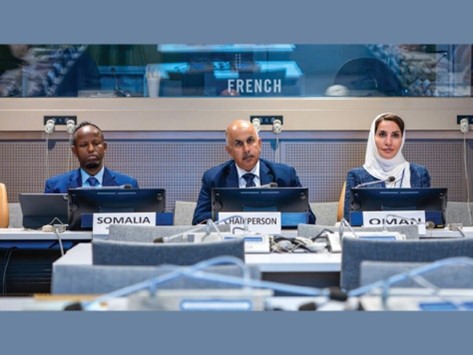
Oman hosted a high-level event titled ‘Unity in Wellness: Advancing Peace through Global Health’ on the sidelines of the 80th session of the United Nations General Assembly in New York in partnership with Finland, Somalia, Sudan, Switzerland and Yemen. Opening the session, HE Dr Hilal Ali al Sabti, Minister of Health, reaffirmed Oman’s foreign policy of dialogue, understanding and cooperation. “We believe that health can serve as a bridge to peace – bringing communities together, building trust, and fostering resilience in the face of conflict and fragility,” he said. The meeting underscored the role of health in promoting peace and development, sharing international experiences and encouraging multi-sector partnerships to build resilient health systems worldwide. The event concluded with new commitments to integrate health and peace into national and international policies.
|
| Read More |
|
|
|
|
|
 |
|
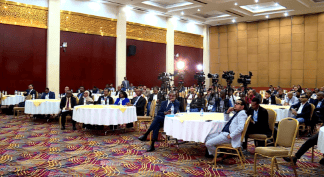
The Government of Ethiopia is committed to reinforcing sovereignty through the development of key sectors, notably pharmaceutical and medical supplies manufacturing, Industry Minister Melaku Alebel said. In his opening speech at the 22nd Annual General Assembly of the Ethiopian Pharmaceuticals and Medical Supplies Manufacturers Association today, the minister noted that the manufacturing sector has seen a remarkable transformation over the past seven years. Melaku in particular highlighted Ethiopia’s growing ability to produce medicines and medical equipment, contributing to meaningful sectoral progress. The reform era has created a conducive environment, with significant improvements in infrastructure such as electricity and road networks. |
| Read More |
|
|
|
|
|
 |
|
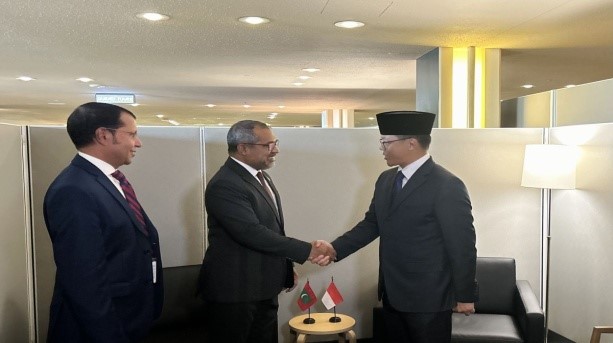
Indonesia and the Maldives have agreed to revitalize their bilateral relations, focusing on public health cooperation and mutual support in international forums. The agreement was reached during a meeting between Indonesian Foreign Minister Sugiono and Maldivian Foreign Minister Abdulla Khaleel on the sidelines of the 80th UN General Assembly in New York. Both ministers highlighted the need to enhance public health service capacity and share technical expertise, including in the development of health insurance programs. They also discussed supporting each other's candidacies in various international organizations, underscoring solidarity and a shared commitment to advancing global interests. |
| Read More |
|
|
|
|
|
 |
|
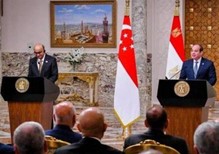
Egypt and Singapore are planning a partnership to digitize the Port Said West port complex and transform it into a "smart platform." The project was unveiled following talks in Cairo between Singapore's President Tharman Shanmugaratnam and his Egyptian counterpart, Abdel Fattah al-Sisi. The initiative is part of Egypt's broader strategy to capitalize on the geographic position of the Suez Canal, a strategic waterway that handles up to 12 percent of global maritime traffic and nearly 22 percent of global container traffic. Port Said is the country's main container port, having processed 4.4 million TEUs in 2023, according to Lloyd's List. |
| Read More |
|
|
|
|
DAKSHIN Network and Collaborations |
|
|
|
|
 |
|
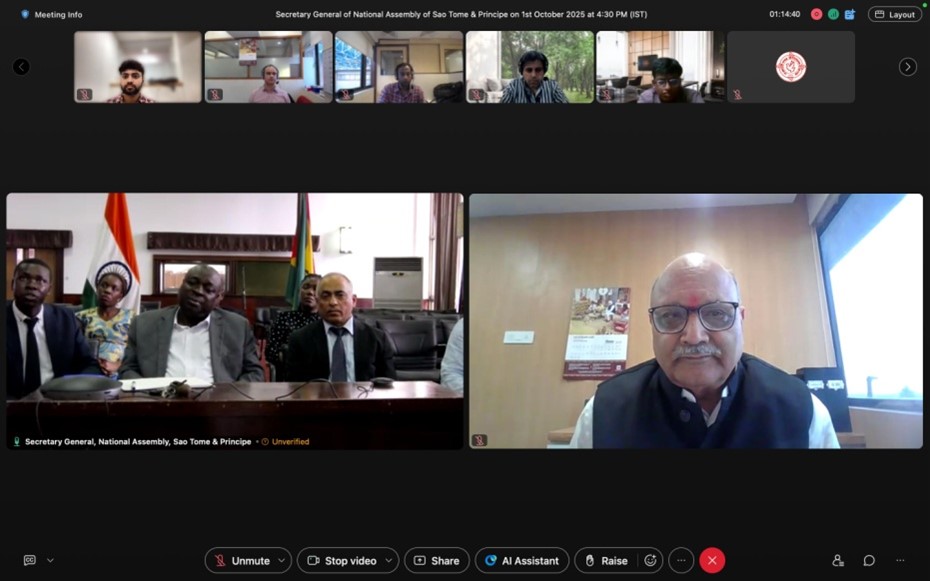
DAKSHIN had a productive virtual meeting with His Excellency Mr. Domingos Boa Morte, Secretary General, National Assembly of the Democratic Republic of São Tomé and Príncipe on 1 October, 2025. His Excellency was joined by H.E. Deepak Miglani (Ambassador of India to the Democratic Republic of São Tomé and Príncipe), Mr. Salma (Advisor to Parliament) and Mr. Sefe Costa (Legal Advisor), Secretary to H.E. DAKSHIN was represented by Dr. Pankaj Vashisht, Mr. Atul Kaushik, Dr. Sivasena Reddy, Dr. Sayantan Ghosal, Mr. John Patrick Omegere, Mr. Amit Arora and Mr. Akash Singh. |
| Read More |
|
|
|
|
|
|
|
|
|
|
|
|
|
|
|
|
|
|
|
|
|
|
|
|
|
|
|
|
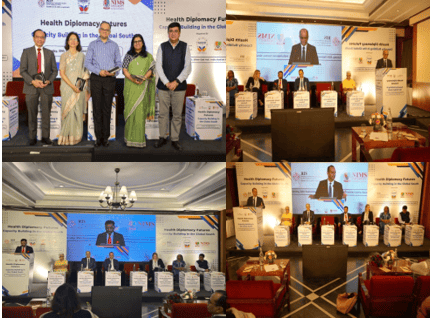 |
DAKSHIN – Global South Centre of Excellence at RIS in collaboration with NIMS Institute of Public Health and Governance, NIMS University Rajasthan is organised a high-level consultation on “Health Diplomacy Futures: Capacity Building in the Global South” on Tuesday, 30 September 2025. The event witnessed rich participation from government officials, international organisations, policy makers, academicians and seasoned health experts. Dr Angela Lusigi, UNDP Resident Representative, India delivered the keynote address, underscoring that health diplomacy is the best medicine, bringing trust among people and equity between nations. She mentioned that contemporary key health priorities include investing in public health preparedness, real-time and transparent data sharing, South–South cooperation, a One Health approach, and building institutional capacities to strengthen global health equity and support the SDGs. |
| Read More |
|
|
|
|
|