In recent years, there has been a growing emphasis on domestic health financing. In 2001, African governments committed to allocating at least 15% of their annual budgets to health financing. However, despite gradual improvements in domestic health spending, only about 2 countries have met this target. The average budget allocation for healthcare across Africa stands at just 7.2%, less than half of the agreed commitment. Several African nations have also worked to strengthen health insurance systems. Notable examples include Rwanda’s community health insurance scheme, Mutuelles de Santé, Kenya’s Social Health Insurance Fund (SHIF), and Ethiopia’s community-based health insurance initiatives. However, success has been limited due to low coverage. On the continental level, the Africa CDC recently launched the African Epidemic Fund to support countries in outbreak preparedness and response.
India is set to launch 10,000 scholarships for African students as part of a broader initiative to strengthen educational and developmental ties between India and the Global South. The announcement was made at the AASGON World Press Conference, held at the Press Club of India, New Delhi, where dates for the GSUA 25 London Summit were also revealed. The GSUA 25 Summit Awards and International Exhibition will take place from July 18-20, 2025, at the Palace of Westminster, House of Lords, and the Queen Elizabeth II Centre in London.
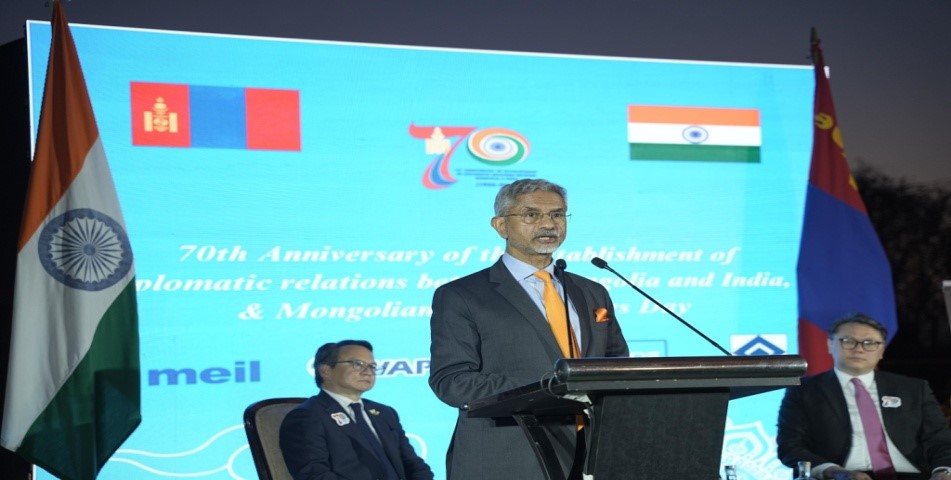
India and Mongolia must identify “new areas of cooperation” which will produce a lasting impact on the future trajectory of their bilateral ties, External Affairs Minister S Jaishankar said in his address at an event marking the 70th anniversary of India-Mongolia diplomatic ties, he said, “It is time to craft an updated vision of our future”. The EAM asserted that both countries “deeply value” the mutual trust and confidence in their partnership.
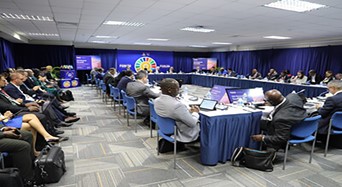
Ministers from 28 countries spoke of advancing climate resilience for populations in the Global South. They represented Antigua, Barbuda, Barbados, Dominican Republic, Fiji, Maldives, Marshall Islands, Niue, Palau, Papua New Guinea, Seychelles, Solomon Islands, St. Kitts and Nevis, St. Lucia, St. Vincent, the Grenadines and Tonga. The gathering was part of the Sustainable Energy for All (SEforALL), Forum, stressing the growing energy needs in developing countries while addressing climate vulnerability and resilience.
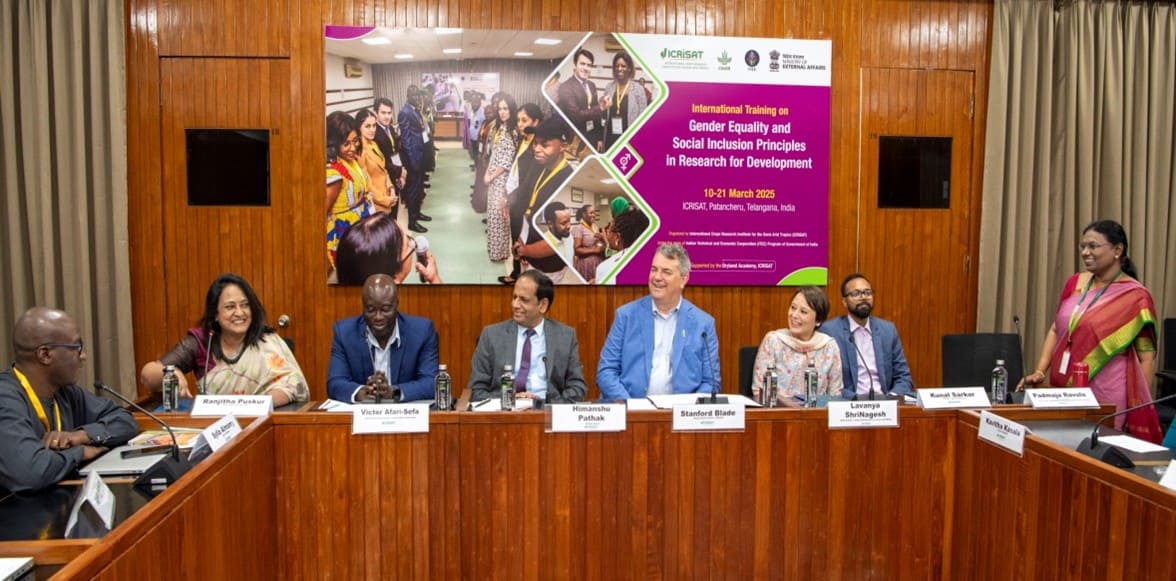
A two-week international training program on Gender Equality and Social Inclusion in Research for Development concluded on 21 March 2025 at the International Crops Research Institute for the Semi-Arid Tropics (ICRISAT). The initiative aimed to equip participants with tools to integrate gender-responsive approaches into research and policy. The training was organized under the Indian Technical and Economic Cooperation (ITEC) Program of the Ministry of External Affairs, Government of India, and supported by ICRISAT’s Dryland Academy.
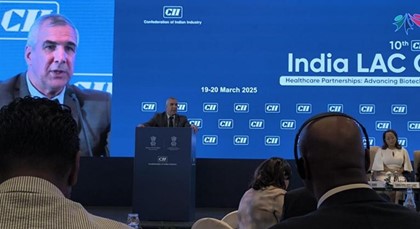
Cuban Deputy Prime Minister Enrique Martinez urged India, Latin America, and the Caribbean to strengthen South-South cooperation in biotechnology and healthcare. Speaking at a session on healthcare partnerships, Martinez highlighted India’s infrastructure and Cuba’s advancements, suggesting collaborative projects for large-scale generic drug and biotechnological product production. He also emphasized joint efforts to prepare for future health crises like the COVID-19 pandemic.
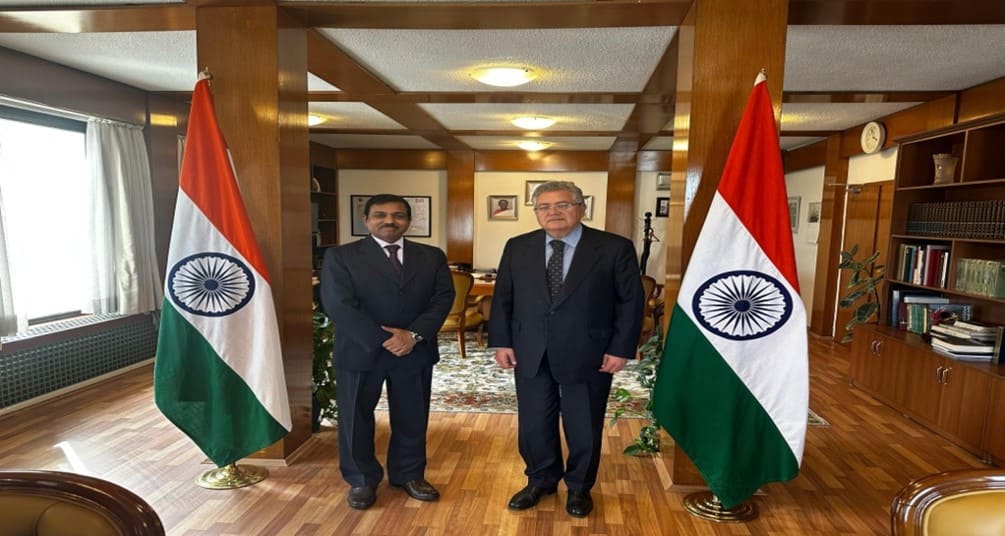
The President of the Foreign Policy Institute – FPI (Dış Politika Enstitüsü – DPE), (R.) Ambassador Hüseyin Diriöz, accompanied by FPI/DPE Coordinator and Board members made a courtesy visit to the Embassy of India in Ankara and met with His Excellency Shri Muktesh K. Pardeshi, Ambassador of India in Ankara on Thursday March 20th, 2025. The occasion was also used to announce the recent partnership between FPI/DPE and The Global South Centre of Excellence – DAKSHIN.
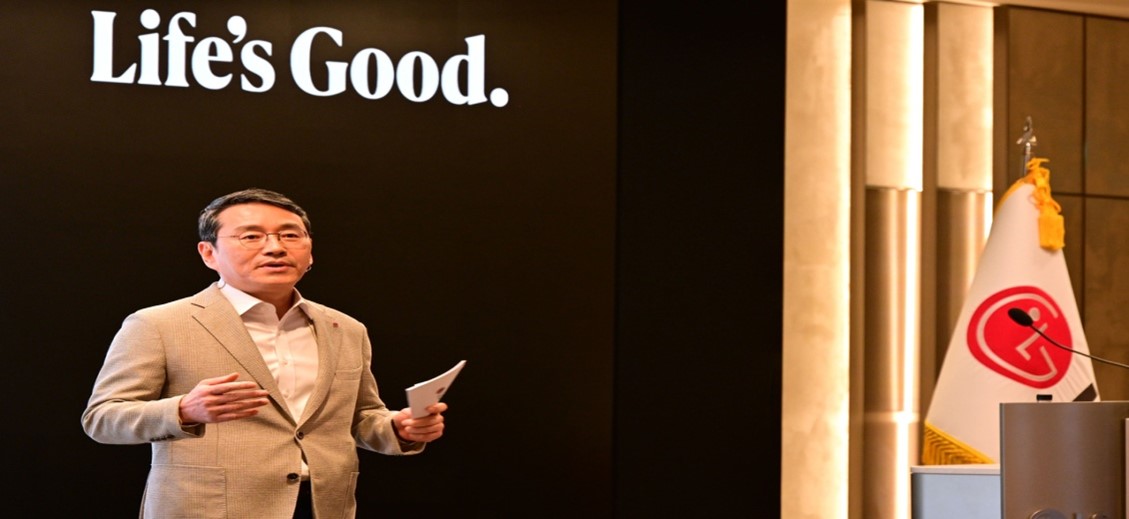
LG Electronics CEO Cho Joo-wan said that the company will focus on accelerating expansion in emerging markets, including India. Speaking at the tech giant’s annual shareholders’ meeting held at the LG Twin Towers in Yeouido, Seoul, Cho identified Asia, particularly India, along with Latin America, the Middle East and Africa -- or the Global South -- as key regions for growth and new business opportunities. “India stands out in terms of economic stability and growth potential,” Cho told investors.
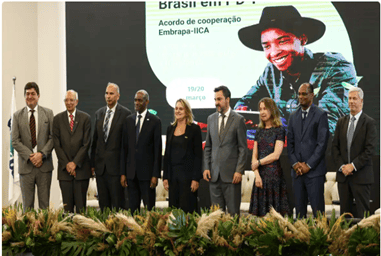
The Brazilian Agricultural Research Corporation (Embrapa), the Brazilian Cooperation Agency (ABC), and the Inter-American Institute for Cooperation on Agriculture (IICA) will finance the arrival of African agricultural researchers in Brazil. Representatives from the three institutions signed a letter of intent to promote technical cooperation between Brazil and 55 African countries with a focus on food security. Details are yet to be defined, but the institutions have already disclosed that at least 30 researchers from scientific institutes, universities, and government bodies should be involved.
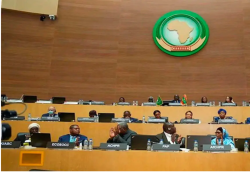
The African dimension occupies a central place in the foreign policy of the Kingdom of Morocco, an approach that has allowed it to gain prestige and reputation at a continental level. This diplomatic leadership has been further reinforced with its presidency of the Peace and Security Council of the African Union during the month of March, and with its recent initiative to promote dialogue with African countries. This approach is part of Morocco's foreign policy, which has based its strategy on South-South cooperation, solidarity and mutual respect.
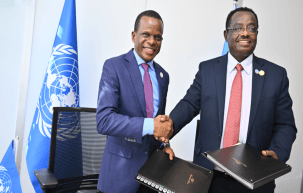
The Economic Commission for Africa (ECA) and the Food and Agriculture Organization (FAO) signed a Memorandum of Understanding (MoU) outlining a framework for strategic collaboration to drive sustainable agriculture in Africa. The agreement aims to drive sustainable agriculture, regional integration, and climate resilience, while fostering innovation for economic diversification, environmental sustainability, and inclusive growth across the continent. Deputy Executive Secretary of the ECA, Antonio Pedro and Assistant Director-General of the UN Food and Agricultural Organization –FAO, and Abebe Haile-Gabriel signed the MoU in Addis Ababa.
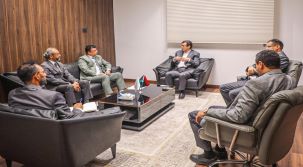
The Deputy Prime Minister of the Government of National Unity and Acting Minister of Health, Ramadan Abu Janah, has discussed with the Indian Ambassador to Libya, Ngulkham Gangte ways to enhance cooperation in the health sector between the two countries. During the meeting, the two sides discussed opportunities for cooperation in exchanging medical expertise and providing medicines and medical supplies, in addition to training health personnel.
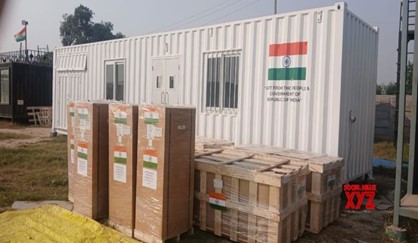
India shipped a consignment of six-bedded container-based Dialysis Unit to help strengthen the healthcare system of Kiribati, an island country in the central Pacific Ocean. "Standing together with the Pacific Islands family - helping strengthen the healthcare system of Kiribati. Fulfilling India's commitment made at FIPIC III Summit: a consignment of six-bedded container-based Dialysis Unit departed from Mundra Port for Tarawa, Kiribati," the Ministry of External Affairs (MEA) posted on X.
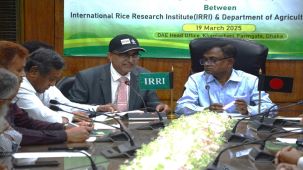
The International Rice Research Institute (IRRI) and the Department of Agricultural Extension (DAE), Ministry of Agriculture, Government of Bangladesh, have signed a Memorandum of Understanding (MoU) to strengthen collaboration in research and innovation, technology transfer, extension services, and capacity development in the rice-based agrifood systems in Bangladesh. The MoU signing ceremony, which took place at DAE Head Office, Khamarbari, Farmgate, Dhaka marked a significant milestone in the long-standing partnership between IRRI and the Government of Bangladesh.
Funded by the World Bank’s ID Credit Program to the tune of $30 million in commitment funding, the GREAT project seeks to facilitate the enrolment of at least two million Liberians for the national digital ID through the National Identification Registry (NIR). It is reported that the project will receive an additional $13 million for the improvement of digital infrastructure. The Ministry of Finance and Development Planning launched the Governance Reform Accountability Transformation (GREAT) project on March 20 in Monrovia.
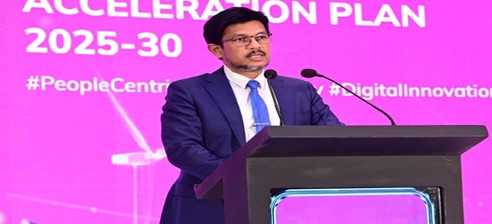
The Government of Sri Lanka has launched a bold strategy to integrate digitalization and renewable energy, aiming to position the nation as a digitally empowered, sustainable economy by 2030. Centred on three pillars—Digital Public Infrastructure (DPI), Digital Literacy and Inclusion, and Digital Governance and E-Services—the plan seeks to drive economic growth, reduce inequality, and enhance global competitiveness. Digital Public Infrastructure will form the backbone of this transformation, with investments in high-speed broadband, cloud computing, and data centers to ensure secure, affordable digital access nationwide.